
The Allure of the Casino Environment
The atmosphere of a casino plays a pivotal role in attracting and retaining players. With vibrant colors, engaging sounds, and captivating lighting, casinos are designed to stimulate excitement and evoke a sense of urgency. This sensory overload creates a unique experience that entices individuals to stay longer and spend more. By leveraging psychological principles, casinos intentionally cultivate environments that keep players engaged, including popular attractions like a crypto casino, enhancing the overall gaming experience.
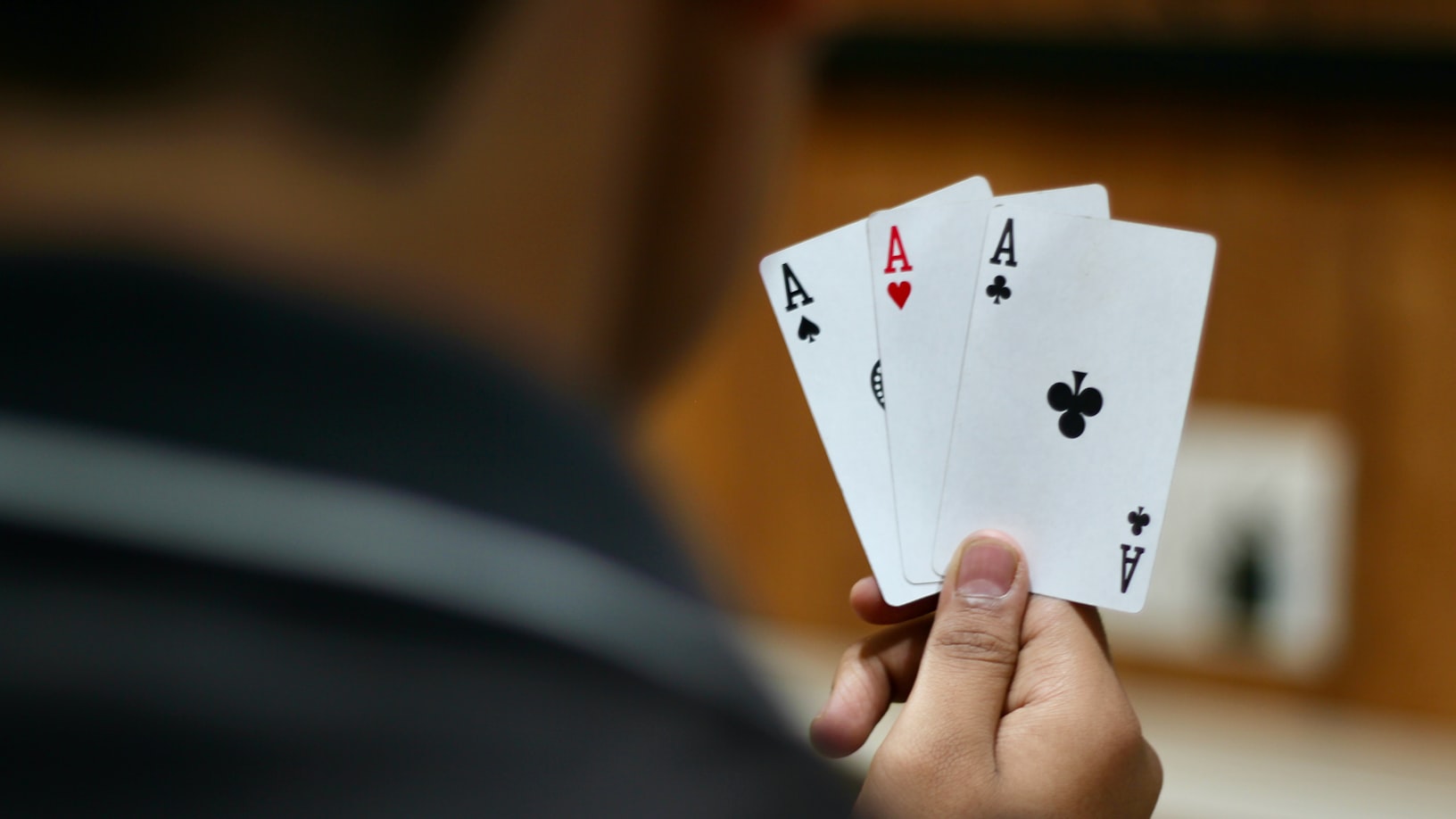
Moreover, the layout of casinos promotes movement and exploration. High-traffic areas feature popular games, which draw in crowds, while quieter sections provide intimate spaces for players who prefer more privacy. This strategic design encourages social interaction among players, fostering a community atmosphere that enhances the overall enjoyment of gambling.
The Role of Game Design in Player Engagement
Casino games are meticulously designed to maximize player engagement and satisfaction. Game mechanics often incorporate elements of chance and skill, creating a delicate balance that keeps players returning for more. The randomness of outcomes, such as spinning a slot machine or rolling dice, taps into the human desire for unpredictability and excitement. This element of surprise fosters anticipation, which is a powerful motivator for continued play.
Additionally, many games utilize reward systems that enhance the player’s experience. Features like bonus rounds, free spins, and escalating jackpots create a sense of achievement and progress. These rewards are not just financial; they also provide players with a psychological boost, reinforcing their desire to keep playing and chasing the next big win.
The Impact of Social Interaction on Gambling Behavior
Social dynamics play a crucial role in the gambling experience. Many players enjoy sharing their experiences with friends or fellow gamblers, which can enhance their enjoyment and create a sense of belonging. Casino activities are often designed to encourage group play, such as table games where players interact with one another and the dealer. This sense of community can lead to longer gambling sessions and increased spending as players feed off each other’s enthusiasm.
Furthermore, the presence of other players can have a significant impact on individual decision-making. Observing how others gamble can influence personal choices, as individuals may feel compelled to conform to group behaviors. This social influence extends the gambling experience, as players seek not only monetary gain but also social validation and connection.
The Psychological Mechanisms Behind Risk-Taking
Understanding the psychological underpinnings of risk-taking behavior is essential for grasping the appeal of gambling. Many individuals are drawn to the thrill of risk, finding excitement in the potential for loss and gain. This inherent attraction to risk is rooted in the brain’s reward system, which releases dopamine in response to both winning and the anticipation of winning. The promise of a significant payout can overshadow concerns about losing, leading to behavior that prioritizes short-term excitement over long-term consequences.
Additionally, the concept of the “near-miss” phenomenon plays a significant role in gambling behavior. When players come close to winning, it creates a false sense of skill and increases their likelihood of continuing to play. This psychological trick can significantly boost a casino’s profitability, as players often misinterpret near-misses as signs of potential success, fueling their desire for further engagement.

Conclusion: The Complex Psychology of Casino Success
In conclusion, the psychology behind casino success is multifaceted, intertwining environmental design, game mechanics, social interactions, and risk-taking behaviors. By creating an engaging atmosphere filled with excitement and community, casinos capitalize on human psychology to attract and retain players. Understanding these psychological elements can provide deeper insights into the gambling industry and the forces that drive individuals to participate in these games of chance.
As we explore the intricate relationship between psychology and gambling, it is evident that casinos are not merely venues for games but centers of human experience where psychology meets entertainment. This understanding can inform future strategies for responsible gambling and player engagement, highlighting the need for awareness and balance in the thrilling world of casinos.